Book Categories:

Wait, don't go!
Become a Member Today and Unlock Access to All eBooks!
Thousands of eBooks at your fingertips. Read, learn, and grow anytime, anywhere.
Original price was: $250.00.$20.00Current price is: $20.00.
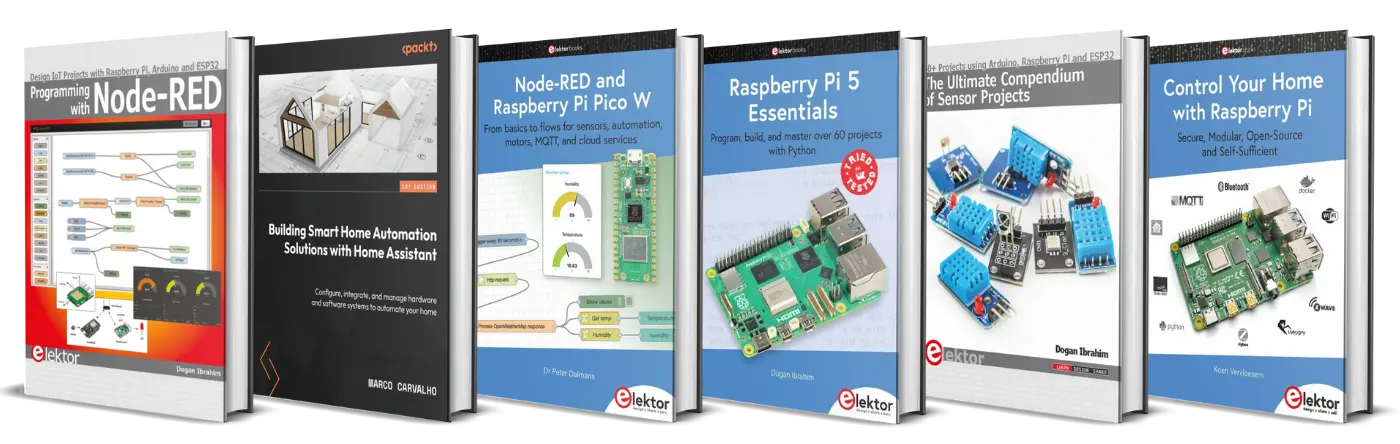
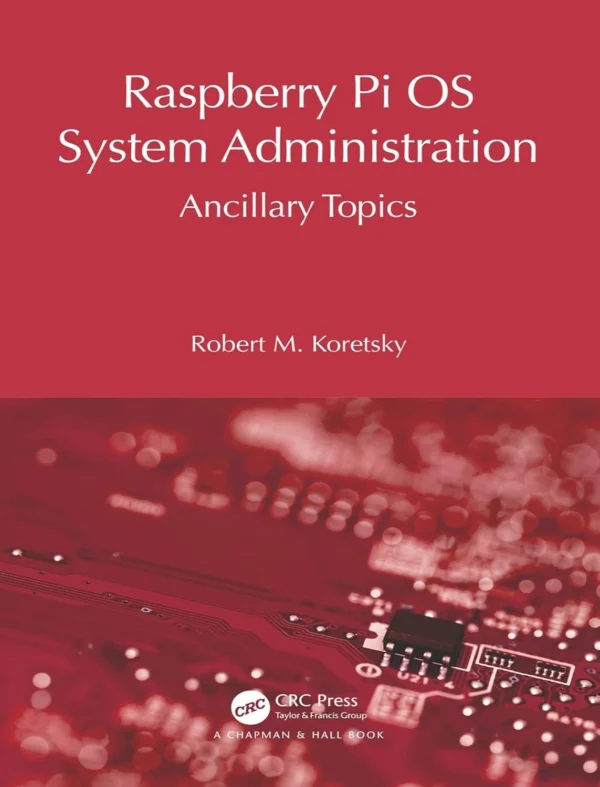
Download Top 6 Raspberry Pi eBooks for $20
The Internet of Things (IoT) is becoming a major application area for embedded systems. As a result, an increasing number of people are becoming interested in learning about embedded design and programming. Technical colleges and universities are transitioning away from legacy 8- and 16-bit microcontrollers and introducing 32-bit embedded microcontrollers into their curricula. Many IoT applications demand precision, high processing power, and low power consumption.
Produced by IBM, Node-RED is an open-source visual editor for wiring the Internet of Things. Node-RED comes with a large number of nodes to handle a multitude of tasks. The required nodes are selected and joined together to perform a particular task. Node-RED is based on flow-type programming, where nodes are configured and joined together to form an application program. There are nodes for performing complex tasks, including web access, Twitter, email, HTTP, Bluetooth, MQTT, controlling GPIO ports, etc. One particularly nice aspect of Node-RED is that the programmer does not need to learn how to write complex programs. For example, an email can be sent by simply joining nodes together and writing only a few lines of code.
This book aims to teach how to use Node-RED in projects. The main hardware platform used with most of the projects in this book is Raspberry Pi 4. Chapters are included to show how Node-RED can also be used with Arduino Uno, ESP32 DevKitC, and the ESP8266 NodeMCU microcontroller development boards.
A step-by-step guide to building cost-effective and complete home automation DIY projects using tools such as Home Assistant, Raspberry Pi, IoT devices, the Tasmota sensor, ESP32, and Grafana
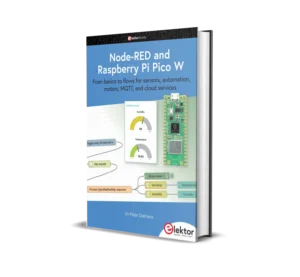
This book is a learning guide and a reference. Use it to learn Node-RED, Raspberry Pi, Pico W, and MicroPython, and add these state-of-the-art tools to your technology toolkit. It will introduce you to virtual machines, Docker, and MySQL in support of IoT projects based on Node-RED and the Raspberry Pi Pico W.
This book combines several elements into a platform that powers the development of modern Internet of Things applications. These elements are a flow-based server, a WiFi-enabled microcontroller, a high-level programming language, and a deployment technology. Combining these elements gives you the tools you need to create automation systems at any scale. From home automation to industrial automation, this book will help you get started.
Node-RED is an open-source flow-based development tool that makes it simple to wire together devices, APIs, and online services. Drag and drop nodes to create a flowchart that turns on your lights at sunset or sends you an email when a sensor detects movement. Raspberry Pi Pico W is a version of the Raspberry Pi Pico with added 802.11n Wi-Fi capability. It is an ideal device for physical computing tasks and an excellent match for Node-RED.
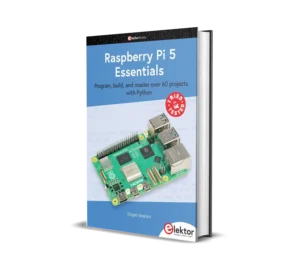
The Raspberry Pi 5 is the latest single-board computer from the Raspberry Pi Foundation. It can be used in many applications, such as in audio and video media centers, as a desktop computer, in industrial controllers, robotics, and in many domestic and commercial applications. In addition to the well-established features found in other Raspberry Pi computers, the Raspberry Pi 5 offers Wi-Fi and Bluetooth (classic and BLE), making it a perfect match for IoT and remote and Internet-based control and monitoring applications. It is now possible to develop many real-time projects such as audio digital signal processing, real-time digital filtering, real-time digital control and monitoring, and many other real-time operations using this tiny powerhouse.
The book starts with an introduction to the Raspberry Pi 5 computer and covers the important topics of accessing it locally and remotely. Use of the console language commands, as well as accessing and using the desktop GUI, are described with working examples. The remaining parts of the book cover many Raspberry Pi 5-based hardware projects using components and devices such as
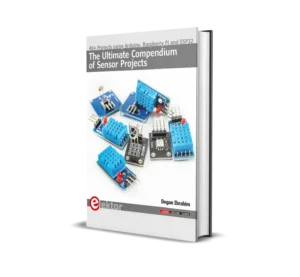
This book (The Ultimate Compendium of Sensor Projects) is about developing projects using sensor modules with the Arduino Uno, Raspberry Pi, and ESP32 microcontroller development systems. More than 40 different sensor types are used in various projects in the book. The book explains, in simple terms and with tested and fully working example projects, how to use the sensors in your project.
The projects have been organized with increasing levels of difficulty. Readers are encouraged to tackle the projects in the order given. A specially prepared sensor kit. With the help of this hardware, it should be easy and fun to build the projects in this book.
The projects provided in the book (The Ultimate Compendium of Sensor Projects) include the following:
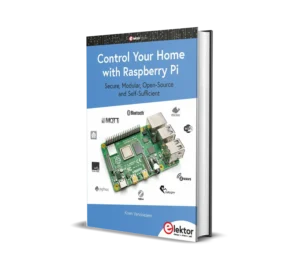
Ever since the Raspberry Pi was introduced, it has been used by enthusiasts to automate their homes. The Raspberry Pi is a powerful computer in a small package, with lots of interfacing options to control various devices. This book shows you how you can automate your home with a Raspberry Pi. You’ll learn how to use various wireless protocols for home automation, such as Bluetooth, 433.92 MHz radio waves, Z-Wave, and Zigbee. Soon you’ll automate your home with Python, Node-RED, and Home Assistant, and you’ll even be able to speak to your home automation system. All this is done securely, with a modular system, completely open-source, without relying on third-party services. You’re in control of your home, and no one else.
At the end of this book, you can install and configure your Raspberry Pi as a highly flexible home automation gateway for protocols of your choice and link various services with MQTT to make it your own system. This DIY (do it yourself) approach is a bit more laborious than just installing an off-the-shelf home automation system, but in the process, you can learn a lot, and in the end, you know exactly what’s running your house and how to tweak it. Your Raspberry Pi interest began with this, right?
🚀 Discover the world of electronics and innovation!
✨ Create, program, and experiment with all your creative ideas with ease.
🔥 Don't wait! Browse SpotPear products now and start your amazing project!

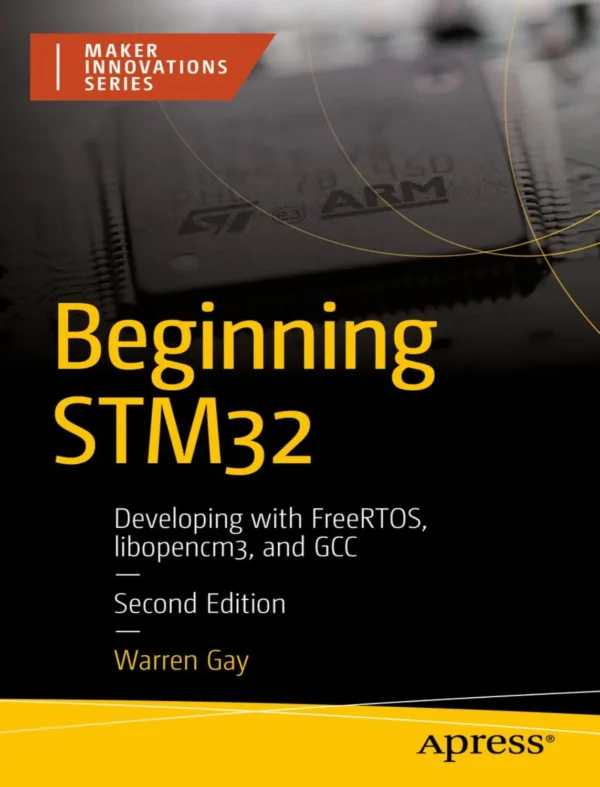
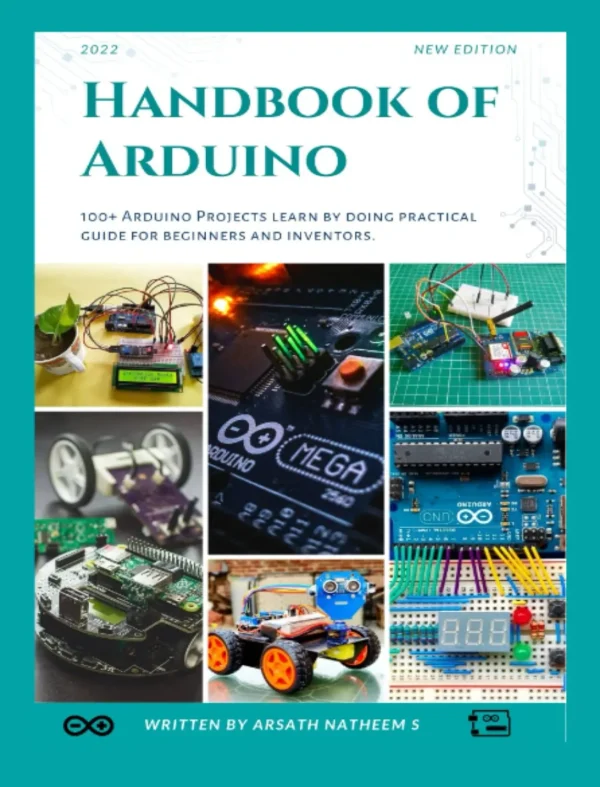

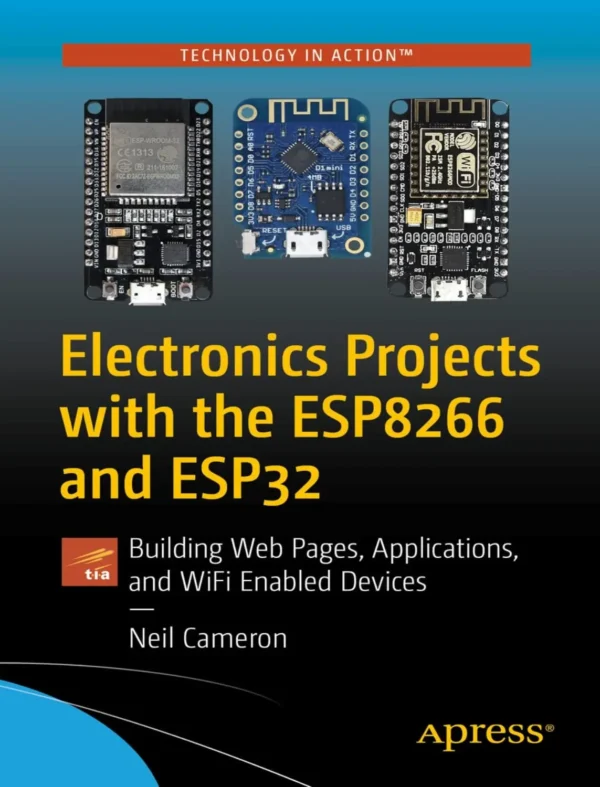
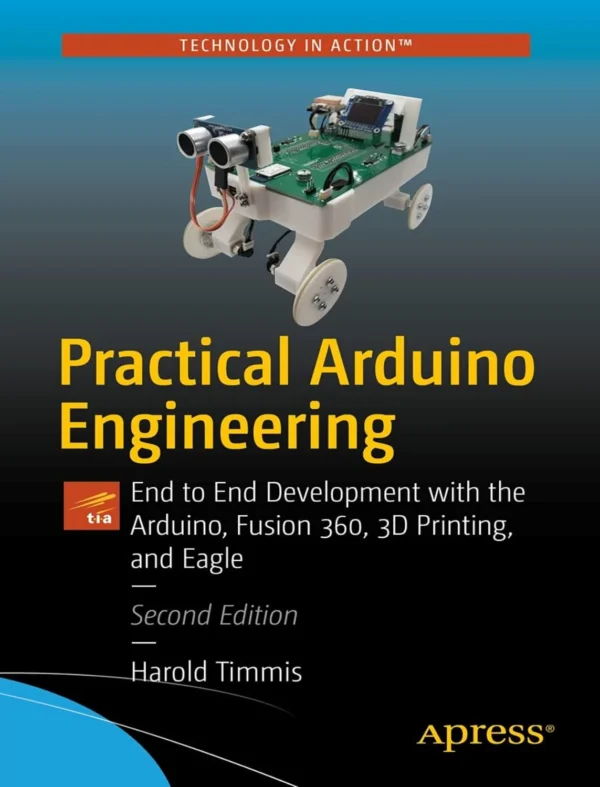
Bo Göran Jönsson (verified owner) –
This Raspberry Pi eBook bundle is amazing! The explanations are clear, beginner-friendly, and packed with practical examples. It saved me a lot of time and gave me new ideas for future projects
Chad Kasper (verified owner) –
Great collection! Very useful and easy to follow
Jim Sleight (verified owner) –
I’m really impressed with this collection. Whether you’re new to Raspberry Pi or already have experience, these eBooks are full of valuable information and hands-on tips. A must-have resource!
James Rasmussen (verified owner) –
Fantastic bundle! Each eBook is well-written, easy to follow, and packed with practical projects. Perfect for beginners and hobbyists alike
Jesper Koed (verified owner) –
Great value for the price. The guides are clear and helped me quickly get started with Raspberry Pi projects. Highly recommended!
James Drake (verified owner) –
Exactly what I was looking for. Step-by-step instructions and useful tips made everything simple. A must-have resource for Pi enthusiasts
Jonny Snell (verified owner) –
Loving this Raspberry Pi eBook bundle 😍 Super easy to understand and gave me tons of project ideas!
Steve Hayward (verified owner) –
Just grabbed this collection — best decision ever! Can’t wait to try out all the projects
Carlyle Nelson (verified owner) –
This Raspberry Pi eBook bundle has been an incredible resource. The guides are clear, well-structured, and packed with practical examples that made learning both enjoyable and efficient.
Andrzej Langner (verified owner) –
As someone new to Raspberry Pi, I found these eBooks extremely helpful. They break down complex concepts into simple steps, giving me the confidence to start building my own projects right away
Franz Guggenmoos (verified owner) –
A comprehensive collection that delivers real value. Whether you’re a beginner or an experienced maker, these eBooks provide inspiration, guidance, and plenty of hands-on ideas
Vasile Vasilescu (verified owner) –
Professional, detailed, and easy to follow. This bundle has quickly become my go-to reference for all things Raspberry Pi
Øystein Johansen (verified owner) –
This eBook bundle transformed the way I approach Raspberry Pi projects. The content is practical, well-structured, and full of innovative ideas
Ray Chemweno (verified owner) –
I highly recommend this bundle to educators, students, and hobbyists. It’s a complete toolkit for learning and applying Raspberry Pi in real projects
Eric Kürbs (verified owner) –
I’ve been working with Raspberry Pi for years, and I still discovered new techniques and insights in this bundle. Great for all skill levels
Morten Rønne (verified owner) –
A well-curated collection that saves time and adds real value. Everything you need to get started — and grow — with Raspberry Pi
Garth Boyd (verified owner) –
Excellent resource for anyone curious about Raspberry Pi. The explanations are straightforward, and the examples work perfectly. Worth every penny