Book Categories:


Wait, don't go!
Become a Member Today and Unlock Access to All eBooks!
Thousands of eBooks at your fingertips. Read, learn, and grow anytime, anywhere.
Original price was: $65.99.$5.00Current price is: $5.00.
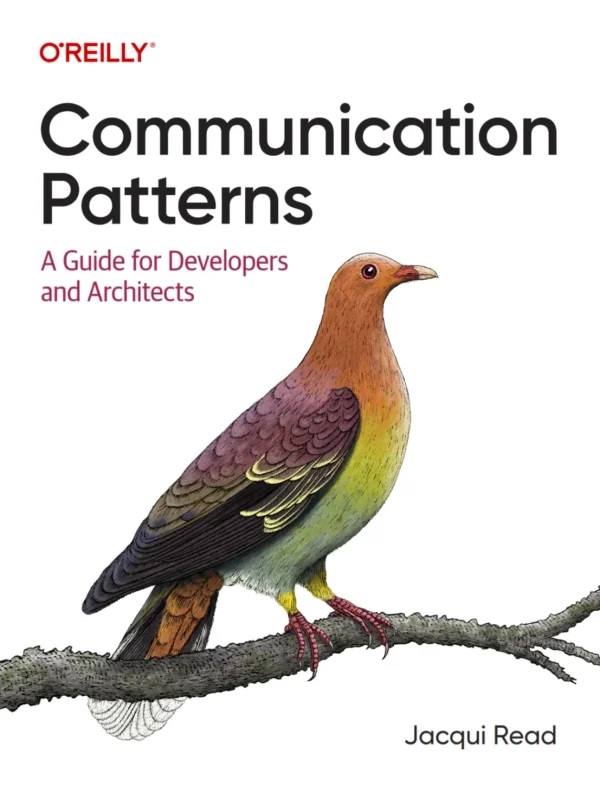
Software Architecture Communication
Successful software projects depend not only on sound technical design but also on effective communication among stakeholders, architects, developers, and project managers. Even the most innovative software architecture may fail to achieve its objectives if its underlying concepts, design decisions, and implementation strategies are not communicated clearly. This book emphasizes the critical role of communication in software architecture and demonstrates how effective documentation and presentation techniques contribute to successful project outcomes.
The book explains that inadequate communication often results in misunderstandings, limited stakeholder engagement, increased development costs, unmet functional requirements, and architectural solutions that deviate from their original objectives. To address these challenges, it presents a collection of practical communication patterns and proven techniques for producing architectural documentation and technical diagrams that effectively convey complex concepts to diverse audiences.
A key contribution of the book is its audience-centered approach to technical communication. It demonstrates how software architects can tailor documentation and visual representations according to stakeholder roles, project phases, and communication objectives. By adapting the level of technical detail and presentation style to the intended audience, architects can improve collaboration, facilitate decision-making, and increase acceptance of architectural proposals.
The book also highlights the importance of accessibility and inclusive communication by providing recommendations for producing documentation that accommodates individuals with different professional backgrounds, information requirements, and accessibility needs. In addition to written communication, it explores verbal and nonverbal communication techniques that enhance technical presentations, design discussions, and stakeholder interactions.
Recognizing the growing prevalence of geographically distributed development teams, the book further examines strategies for supporting effective collaboration in remote and hybrid software engineering environments. It presents practical methods for coordinating architectural design activities, maintaining consistent documentation, and improving communication among distributed project teams.
By combining communication theory with practical software engineering techniques, the book provides a valuable resource for software architects, developers, technical leaders, project managers, and students seeking to improve the effectiveness of software architecture documentation and collaborative design processes.
Key Topics Covered


Reviews
There are no reviews yet.